The royal family is facing one of its most turbulent moments yet, as King Charles III’s cancer battle takes a heartbreaking turn amid reports of a sudden hospital stay and deepening personal rifts within the palace walls. In a stark, emotion-charged update that has stunned Britain, Buckingham Palace confirmed the monarch spent a short period under observation after “temporary side effects” from his ongoing treatment—fueling fears of irreversible decline while spotlighting a shocking absence: Queen Camilla’s reported withdrawal from his bedside during the crisis.

It all unfolded late one Tuesday night at Balmoral, where alarms were raised over the king’s worsening condition. Medical teams scrambled, and a crisis room assembled—Prince William, Princess Anne, and senior aides rushing in. But the queen consort? Nowhere to be found. Instead of standing by her husband, Camilla reportedly stayed at Clarence House, citing “reflection” and “emotional exhaustion.” Palace insiders described the void as seismic: “Thoughts? What His Majesty needs is presence,” Anne allegedly snapped. The absence wasn’t just logistical—it ignited a firestorm of betrayal accusations, with hashtags like #WhereIsCamilla and #StandWithCatherine exploding across social media.

Enter Catherine, Princess of Wales. In the dead of night, she arrived quietly at Balmoral—navy coat, low heels, no fanfare—slipping past reporters to take charge. She coordinated with physicians, held Charles’s hand, read briefings aloud, and became the emotional anchor the moment demanded. “She didn’t flinch,” one aide recalled. “She said, ‘You’re not alone, sir.'” While Camilla’s silence grew deafening, Catherine’s actions spoke volumes: steady, compassionate, unflinching. Crowds swelled outside Balmoral and Windsor, leaving flowers and notes not just for the king, but for the princess who “stood up when the queen sat down.”

The contrast proved brutal. Broadcasters juxtaposed Catherine comforting cancer patients earlier in the year against Camilla’s lighter moments, like polo outings. Leaked staff accounts painted Camilla as refusing to travel, saying, “I can’t face that room again. Let them handle it.” Public fury boiled over—analysts called it “neglect,” “detachment,” even “opportunism.” Historian Dr. Steven White declared on air: “When the late Queen was gravely ill, her family rallied. This is the opposite—and the public won’t forget.”
Camilla’s belated resurfacing—handwritten letters to courtiers defending her “dignity” and privately resenting Catherine’s “overstepping”—only poured fuel on the flames. One missive reportedly called the princess “too eager to please the cameras.” The leaks backfired spectacularly, turning sympathy into scandal. Her approval cratered overnight; headlines screamed “Camila’s private fury” while Catherine’s quiet grace dominated front pages.
King Charles, frail but lucid, delivered a tearful broadcast that sealed the shift. In a poignant address, he praised Catherine’s “strength of spirit and kindness” that “reminds me of the best in us—and of the woman who shaped us all,” a rare nod to Diana’s legacy. He entrusted greater responsibilities to William, declaring full confidence in him and his wife. The words landed like thunder: “The crown endures not by blood alone, but by service, compassion, and faith.” Viewers wept; crowds erupted in applause outside palaces. It was more than health news—it was a moral transfer, with Charles effectively anointing the Waleses as the monarchy’s future.
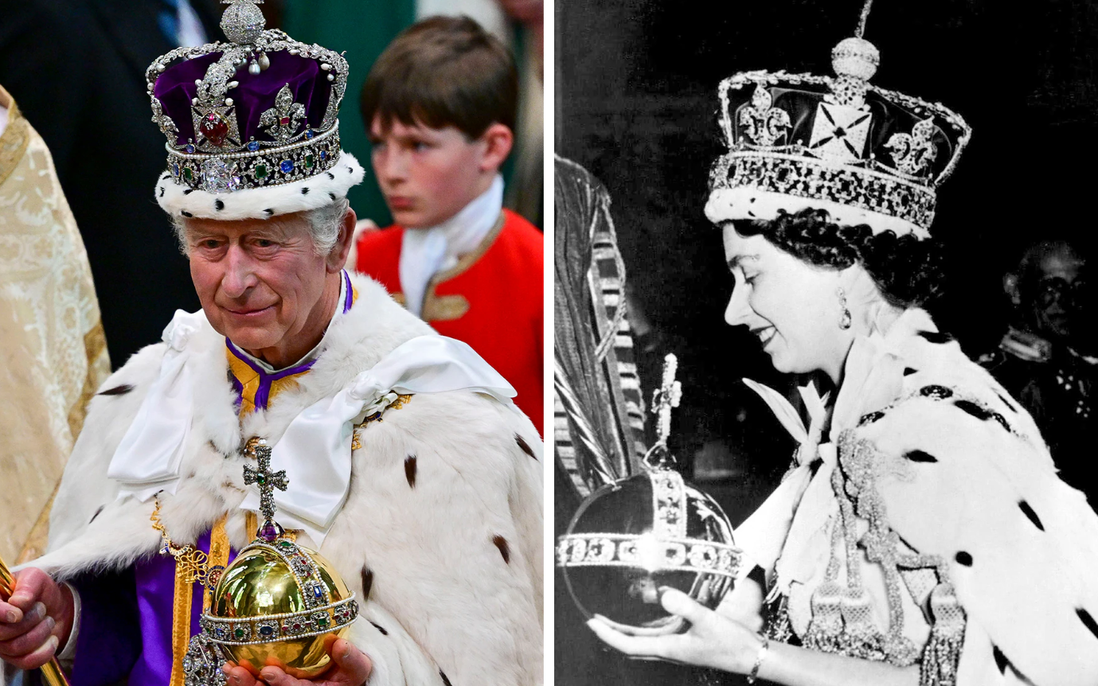
Camilla watched from Clarence House, reportedly stone-faced, muttering, “So, it’s begun.” Her schedule evaporated; appearances canceled under “personal reflection.” Staff migrated to Kensington; loyalty quietly realigned. Catherine, meanwhile, stepped into the void—overseeing initiatives, greeting well-wishers, reading to the king. Official photos captured Charles beside her, William behind: continuity and care, no Camilla in sight.
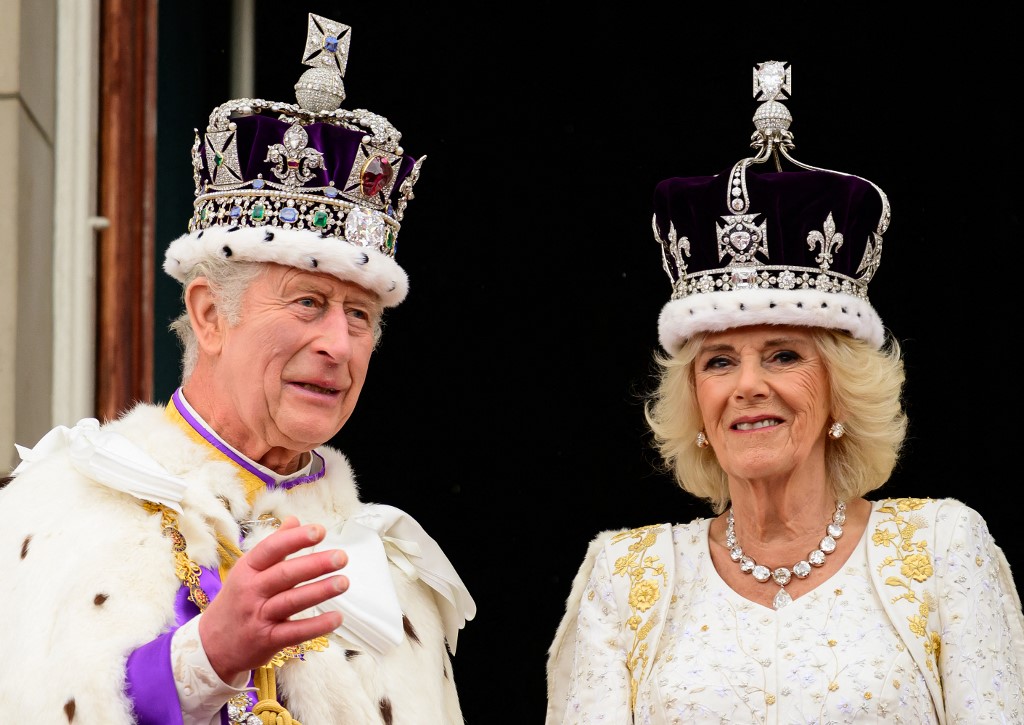
This isn’t mere gossip—it’s a monarchy in real-time evolution. Charles’s condition has entered a “new phase,” per palace code for decline, yet his clarity in praising Catherine and entrusting William signals a deliberate handover. The nation, anxious for its king, has rallied around the Waleses’ steady hands. Camilla’s retreat, once strategic, now reads as fatal detachment. As Britain lights candles and prays, one truth cuts through: When the crown trembles, grace—not absence—holds it steady. Catherine has become that grace, and the public has chosen her.